- Dr. Shaheer Hamza
MBBS, MD (Anesth), FIPM
Consultant Anaesthesiologist & Pain Physician - 04933 262262 (Malappuram)
- 0491 2576436 (Palakkad)
- cordialpainclinic@gmail.com
What is rheumatoid arthritis (RA)?

Migraine
April 28, 2022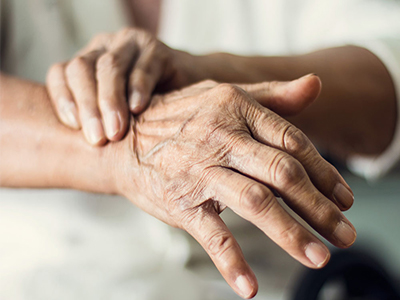
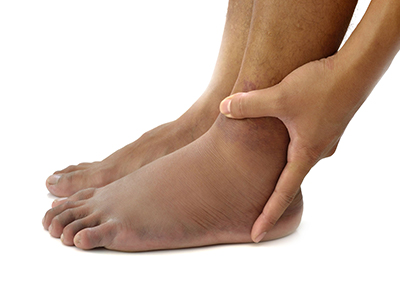
Rheumatoid arthritis (RA) is an autoimmune and inflammatory disease. RA commonly affects joints in the hands, wrists, and knees. In a joint with RA, the lining of the joint becomes inflamed, causing damage to joint tissue. This tissue damage can cause long-lasting or chronic pain, unsteadiness (lack of balance), and deformity.
Symptoms
With RA, there are times when symptoms get worse, known as flares, and times when symptoms get better, known as remission.
Symptoms of RA include:
- Stiffness in more than one joint
- Tenderness and swelling in more than one joint
- Weight loss
- Fever
- Fatigue
Risk factors for RA
- Age. RA can begin at any age, but the likelihood increases with age. The onset of RA is highest among adults in their sixties.
- Sex. New cases of RA are typically two-to-three times higher in women than men.
- Genetics/inherited traits.
- Smoking. smoking increases risk of developing RA and can make the disease worse.
- History of live births. Women who have never given birth may be at greater risk of developing RA.
- Obesity.
Treatment
RA can be effectively treated and managed with medication(s) to slow the disease progression and prevent joint deformity, called disease-modifying antirheumatic drugs (DMARDs); biological response modifiers (biologicals) .
Complications of RA
Rheumatoid arthritis (RA) has many physical and social consequences and can lower quality of life.
- Pain
- Disability.
- Premature heart disease.
- Obesity.
- Premature Death.
- Unemployment. RA can make work difficult. Adults with RA are less likely to be employed than those who do not have RA. As the disease gets worse, many people with RA find they cannot do as much as they used to.
Ways to Manage RA and improve quality of life
RA affects many aspects of daily living including work, leisure and social activities.
- Learn new self-management skills.
- Manage pain and other symptoms.
- Carry out daily activities, like going to work and spending time with loved ones.
- Reduce stress & Improve your mood.
- Be active.
Being physically active can reduce pain, improve function, mood, and quality of life for adults with arthritis.
The Physical Activity Guidelines recommend that adults be physically active at a moderate intensity for 150 minutes per week.
- Talk to your doctor.
It’s important to get an accurate diagnosis as soon as possible so you can start treatment and work to minimize symptoms and prevent the disease from getting worse.
The focus of arthritis treatment is to
- Reduce pain.
- Minimize joint damage.
- Improve or maintain function and quality of life.
You can play an active role in controlling your arthritis by attending regular appointments with your doctor and following your recommended treatment plan. This is especially important if you also have other chronic conditions, like diabetes or heart disease.
- Manage your weight.
For people who are overweight or obese, losing weight reduces stress on joints, particularly weight bearing joints like the hips and knees. In fact, losing as little as 10 to 12 pounds can improve pain and function for people with arthritis. At any age, low-impact, arthritis-friendly physical activity (like walking) and dietary changes can help you lose weight.
- Protect your joints.
Choose activities that are easy on the joints like walking, bicycling, and swimming. These low-impact activities have a low risk of injury and do not twist or put too much stress on the joints.
Sports or work-related injuries to joints can increase the likelihood of developing Osteoarthritis. To reduce the likelihood of developing or worsening osteoarthritis, take steps to minimize or prevent injuries to joints, such as wearing protective equipment.
RA is a chronic pain disorder. Although not completely curable, it is definitely treatable and manageable.
Book an appointment today at Cordial Pain Clinic and take the next step towards a pain-free life!.